The SPREADSHEET FILES
Real advice for planning trips you won't second-guess.
what's worth it, what's not, and what to know before you go.


Italy Beyond Rome, Florence and Venice: Where Should You Go?
When someone tells me they’re planning their first trip to Italy, I can usually guess the itinerary before they finish the sentence.
Rome. Florence. Venice.
And listen, there’s absolutely nothing wrong with that! They’re popular for a reason. The history, architecture, art, and food are incredible, and you could easily spend an entire vacation exploring any one of them.
But here’s what I wish more people realized: Italy has so much more to offer than the same three-city itinerary.
What if you’d rather spend your afternoons tasting wine than visiting museums? Or your ideal morning involves hiking through the mountains instead of navigating crowded city streets?
Maybe you want a beautiful countryside hotel, leisurely lunches, and absolutely no pressure to squeeze twelve attractions into one day.
Italy can deliver all of that, too.
After spending time in Northern Italy this September, I’m even more convinced that choosing the right part of Italy matters just as much as choosing the right hotel.
So if you’re wondering where to go in Italy beyond the usual Rome-Florence-Venice route, here are six destinations I’d consider based on how you actually like to travel.
1. Piedmont: For Wine Lovers Who Appreciate a Little Culture
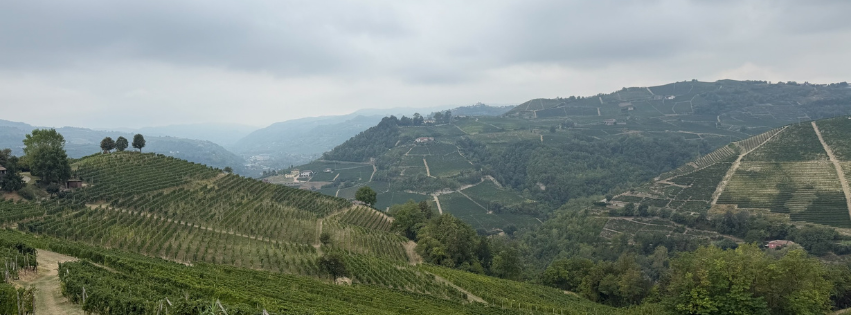
Where to explore: Turin, Alba, Barolo, and the Langhe wine region
If your favorite vacation memories tend to involve an incredible meal, a bottle of wine, or a restaurant you’re still talking about years later, I’d put Piedmont near the top of your list.
We spent four nights in Turin during our September trip, and one of the highlights was a full day exploring the Langhe wine region around Alba.
Think rolling vineyards, hilltop villages, smaller wineries, and producers who are genuinely passionate about what they’re making.
Our wine day was organized through Amanda’s Wine Adventures, and having a local guide made an enormous difference. We visited smaller producers, toured cheese-aging caves, and made stops to appreciate the countryside views.
We also shipped two cases of wine home.
So yes, I’d say we enjoyed ourselves. 😂
What I particularly appreciated was that the day wasn’t about racing through as many wineries as possible. We had time for conversations, tastings, and learning about the people behind the wines.
Turin or the Langhe Countryside?
This is one of the decisions I’d make early.
Turin works well if you want elegant architecture, historic cafés, museums, and a walkable city to explore between excursions.
The Langhe countryside offers a different experience. Staying closer to towns like Alba, Barolo, or La Morra puts you in the heart of wine country, where the vineyards and long lunches become the main event.
Autumn is especially appealing for wine lovers, with the grape harvest and Alba’s famous white-truffle season adding another reason to visit.
Who I’d recommend it for: Couples, wine enthusiasts, food-focused travelers, and anyone who enjoys a mix of culture and countryside.
Who might prefer somewhere else: Travelers looking for sandy beaches, tropical temperatures, or a lively resort atmosphere.
My planning advice: Choose your base depending on whether you want a city vacation with wine excursions or a countryside vacation centered on wineries. For tastings, I’d strongly consider hiring a private driver or local guide rather than driving yourself.
2. The Dolomites: For Nature Lovers Who Still Appreciate a Great Hotel
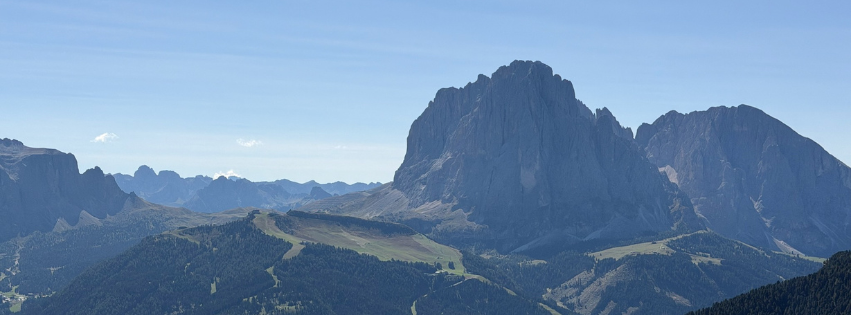
Where to explore: Ortisei, Val Gardena, and Cortina d’Ampezzo
I’m going to try not to turn this entire section into a love letter to the Dolomites.
No promises.
After four nights in Ortisei this September, I can confidently say this was my favorite part of our Italy trip.
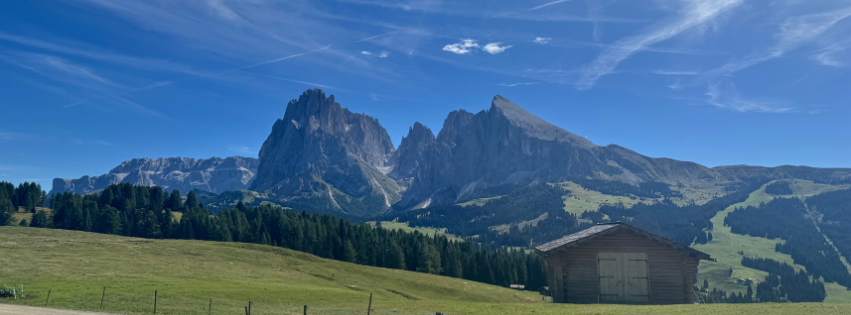
The scenery is absolutely incredible. We’re talking dramatic mountain peaks, green alpine meadows, charming villages, and hiking trails with views that almost don’t look real.
Our hotel, ADLER Dolomiti, was right in the middle of Ortisei, with a balcony overlooking town and the mountains. It was a fantastic base for exploring and easily one of my favorite hotels from the trip.
We hiked around Seceda and Alpe di Siusi, stopped at mountain huts for lunch and a beer, and spent our final afternoon enjoying the hotel’s spa.
That’s what I loved most about the Dolomites.
You can spend the morning hiking through some of the most beautiful scenery you’ve ever seen, then return to a comfortable hotel for a massage, a good dinner, and a relaxing evening.
This Isn’t the Italy You Might Be Expecting
One thing that makes the Dolomites particularly interesting is the culture.
In South Tyrol, where Ortisei is located, you’ll notice strong Austrian and Ladin influences alongside Italian traditions. You’ll see it in the architecture, hear it in the languages, and definitely notice it on the menus.
The food is just as likely to feature dumplings and speck as it is pasta.
It’s a completely different experience from the Mediterranean Italy many people picture.
Who I’d recommend it for: Couples who enjoy the outdoors, travelers who appreciate mountain scenery, and anyone interested in combining activity with wellness and beautiful hotels.
Who might prefer somewhere else: Travelers primarily interested in beaches, big-city sightseeing, or classic Italian coastal villages.
My planning advice: Timing is especially important here. Summer and early fall are wonderful for hiking, while winter brings skiing and snow-covered scenery. Spring and late fall can be tricky because some mountain lifts, hotels, and restaurants close between seasons. I’d also be realistic about elevation and hiking difficulty before building the itinerary.
And one more thing: you don’t have to be an expert hiker to enjoy the Dolomites. Cable cars make some incredible mountain viewpoints accessible without requiring an all-day trek.
3. Lake Garda: For Romance, Charming Towns, and Lakeside Relaxation
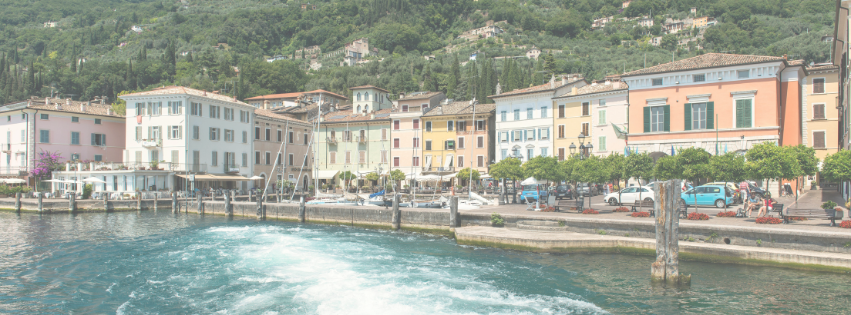
Where to explore: Sirmione, Malcesine, Bardolino, and Riva del Garda
Lake Como seems to get most of the attention when people start dreaming about an Italian lake vacation.
But Lake Garda deserves a spot on your radar, too.
One town that particularly catches my eye is Sirmione, located on a narrow peninsula extending into the southern end of the lake.
Picture a medieval castle surrounded by water, charming streets, waterfront restaurants, and beautiful lake views.
Sirmione is also known for its thermal spa experiences and the Grotte di Catullo, the remains of an ancient Roman villa overlooking the lake.
It looks like a wonderful option for couples who want beautiful scenery, leisurely afternoons, and a little history mixed into their vacation.
Which Part of Lake Garda Should You Visit?
The interesting thing about Lake Garda is how different the towns can feel.
Malcesine, on the eastern shore, combines a charming historic town with mountain scenery and outdoor activities.
Bardolino is another town worth considering, particularly if you love lakeside dining and local wine.
Meanwhile, the northern end of Lake Garda around Riva del Garda is a great option for travelers interested in hiking, cycling, and water sports.
There’s also plenty to explore beyond the lake itself.
Verona offers Roman history, beautiful piazzas, and charming streets. Nearby Valpolicella is known for its wines, including Amarone, making it a worthwhile addition for wine lovers.
A few days by the lake, an afternoon exploring Verona, and perhaps a guided wine tasting? That sounds like a pretty wonderful Italian getaway.
Who I’d recommend it for: Couples celebrating an anniversary, travelers who enjoy charming European towns, and anyone who wants a mix of relaxation, scenery, food, and light adventure.
Who might prefer somewhere else: Travelers dreaming of a Mediterranean beach resort or those who want major museums and big-city sightseeing to be the focus of their trip.
My planning advice: Lake Garda is larger than you might expect, and the towns offer different experiences. I’d choose your hotel location based on whether relaxation, sightseeing, or outdoor activities are the priority. Trying to explore the entire lake from one base can mean spending more time in transit than you’d like.
4. Puglia: For Coastal Towns, Local Food, and Slow Travel
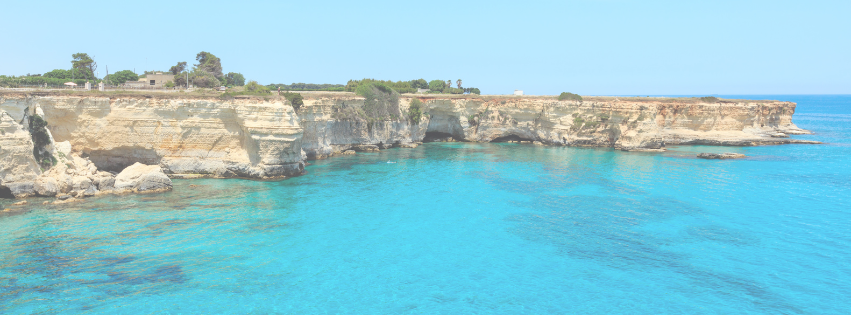
Where to explore: Polignano a Mare, Monopoli, Ostuni, and the Valle d’Itria
If you love the idea of an Italian coastal vacation but want to explore somewhere beyond the Amalfi Coast, I’d take a look at Puglia.
Located in the heel of Italy’s boot, this region offers seaside towns, whitewashed villages, countryside accommodations, and wonderful regional food.
Polignano a Mare is known for its dramatic setting above the Adriatic Sea. Nearby Monopoli has a historic waterfront and a charming old town.
Then there’s Ostuni, often called the White City because of its whitewashed buildings.
And if you’re interested in countryside stays, the Valle d’Itria is known for its traditional trulli houses and masserie, historic farm properties that have sometimes been converted into beautiful boutique accommodations.
Not Every Coastal Town Means the Same Beach Experience
Here’s something I’d want travelers to understand before booking.
Puglia has two coastlines, and they offer different experiences.
The Adriatic side is known for dramatic cliffs, rocky coves, and picturesque coastal towns. If you love sightseeing, boat excursions, and beautiful waterfront scenery, that could be a great fit.
For travelers who prioritize sandy beaches and long afternoons at a beach club, parts of the Ionian coast around Salento may be more appealing.
And you don’t have to spend every day at the beach.
Puglia is also known for olive oil, fresh seafood, orecchiette pasta, and regional wines. I’d absolutely build some time into the itinerary for local food experiences.
Who I’d recommend it for: Couples who love coastal scenery, food-focused travelers, and anyone interested in combining seaside towns with countryside relaxation.
Who might prefer somewhere else: Travelers who want big-city energy or prefer a vacation where they can easily explore an entire region without a car or arranged transportation.
My planning advice: Don’t underestimate the size of Puglia. Rather than trying to cover the entire region in a few days, I’d focus on one or two areas. A rental car or private driver can make visiting smaller towns and countryside properties much easier.
5. Tuscany Countryside: For Wine, Relaxation, and Romantic Stays
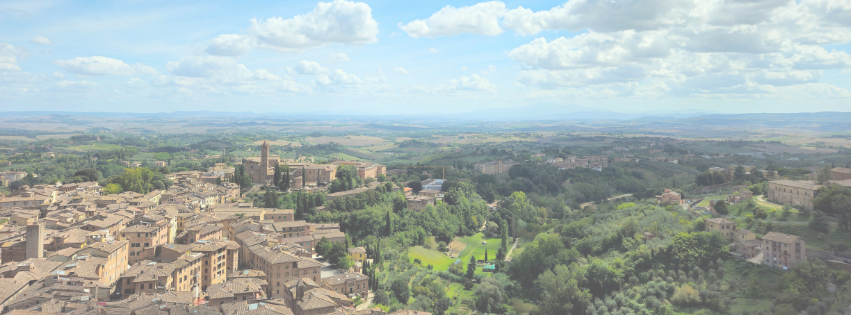
Where to explore: Val d’Orcia, Pienza, Montepulciano, and Siena
I know what you’re thinking.
Isn’t Tuscany already one of the most popular places in Italy?
Absolutely.
But there’s a big difference between spending a few days in Florence and actually staying in the Tuscan countryside.
And that’s the experience I want to highlight here.
Think rolling hills, vineyards, beautiful countryside hotels, medieval villages, and long dinners where nobody is watching the clock.
The Val d’Orcia region is particularly appealing for travelers who want that classic Tuscan landscape, complete with hilltop towns and winding country roads.
Pienza and Montepulciano are both worth considering, while Siena offers a beautiful historic setting with a little more city atmosphere.
Piedmont or Tuscany: Which Wine Region Should You Choose?
Since we’ve already talked about Piedmont, you might be wondering how these two regions compare.
Both are fantastic options for wine lovers, but they offer different experiences.
Piedmont is especially appealing if you’re interested in Barolo, Barbaresco, smaller wine producers, and the food traditions surrounding places like Alba. Turin also gives you the option of pairing wine-country excursions with a refined city stay.
Tuscany offers the classic countryside scenery many people associate with Italy: cypress-lined roads, hilltop villages, and vineyards producing wines such as Chianti and Brunello di Montalcino.
If your ideal vacation involves checking into a beautiful agriturismo, exploring a different hill town each day, and returning for a relaxing evening in the countryside, Tuscany might be the better fit.
Neither is automatically the better wine destination.
It really depends on the experience you want.
Who I’d recommend it for: Couples celebrating anniversaries, wine enthusiasts, and travelers who appreciate slower-paced countryside experiences.
Who might prefer somewhere else: Travelers who want everything within walking distance or prefer lively nightlife and a packed sightseeing schedule.
My planning advice: Choose your countryside base carefully. You’ll likely want a rental car or private transportation for wineries and smaller villages. I’d also recommend staying several nights instead of treating Tuscany as a quick stop between major cities.
6. Bologna: For Travelers Who Plan Their Days Around Food
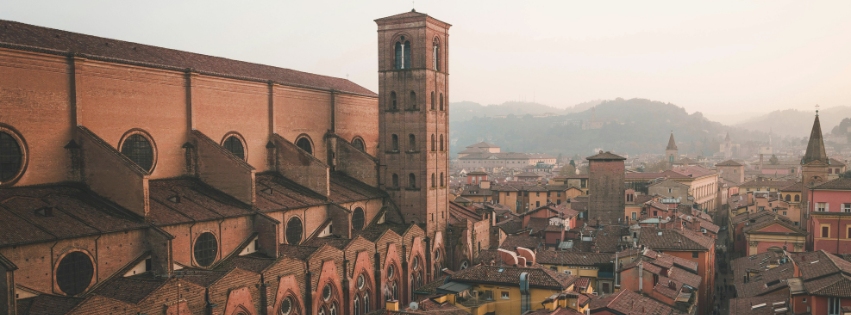
Where to explore: Bologna, with possible visits to Modena and Parma
Some people plan their vacations around famous landmarks.
Others plan theirs around lunch.
If you’re in the second group, we should talk about Bologna.
Located in Emilia-Romagna, Bologna is a wonderful option for travelers who want a food-focused Italian city experience.
We’re talking fresh pasta, traditional ragù, mortadella, markets, and plenty of opportunities to discover regional specialties.
But food isn’t the only reason to visit.
The city has a beautiful historic center, famous covered porticoes, and streets and piazzas worth exploring between meals.
There’s More to Emilia-Romagna Than Pasta
One reason Bologna is such an interesting base is its access to other destinations within the region.
Modena is known for traditional balsamic vinegar, while Parma is associated with Parmigiano Reggiano and prosciutto.
That opens the door to food tours, cooking classes, and visits to local producers.
And if someone in your travel group isn’t quite as excited about spending an entire vacation talking about cheese and pasta, Emilia-Romagna has another surprise.
It’s also home to Italy’s Motor Valley, where brands like Ferrari and Lamborghini have museums and automotive experiences.
Food and fast cars?
That’s a combination that could make planning a couples’ trip a little easier. 😂
Who I’d recommend it for: Food lovers, couples who enjoy walkable cities, and travelers interested in Italian culture, cooking experiences, or automotive history.
Who might prefer somewhere else: Travelers who are primarily interested in beaches, mountain scenery, or a countryside retreat with very little city sightseeing.
My planning advice: Bologna works well as a city base without a rental car. You can visit nearby cities by train, although countryside food producers and certain automotive experiences may require organized transportation.
How to Choose Where to Go in Italy
Now that we’ve covered six very different destinations, how do you narrow things down?
I’d start with what you actually want your days to look like.
- For wine and food: Piedmont for vineyard experiences and Turin’s café culture, or Bologna for a walkable culinary city.
- For mountains and outdoor adventure: The Dolomites, especially if you enjoy a great hotel and spa at the end of an active day.
- For romance and lakeside scenery: Lake Garda, with the specific town depending on how much you want to relax or explore.
- For coastal towns and regional food: Puglia, particularly if you’re comfortable exploring by car or private driver.
- For countryside relaxation and classic Italian scenery: Tuscany, especially for longer stays centered on wine, food, and hill towns.
Then I’d ask a few practical questions.
How many nights do you actually have? What time of year are you traveling? Are you comfortable renting a car? Would you rather stay in one place or change hotels?
Those answers can make a big difference.
A destination might check every box on your wish list, but if it requires complicated transportation or doesn’t offer the experiences you want during your travel dates, we may need to rethink the plan.
And that’s okay.
The goal isn’t to find the most beautiful destination in Italy.
It’s to find the one that makes the most sense for you.
You Don’t Have to See All of Italy in One Trip
One of the biggest lessons from our recent Northern Italy vacation was how much I enjoyed spending several nights in each destination.
We spent time in Turin exploring the city and wine country, then headed into the Dolomites for hiking and mountain scenery.
Two completely different experiences, and both were highlights of the trip.
We didn’t try to see Rome, Florence, Venice, Lake Como, and the Amalfi Coast while we were there.
And I don’t feel like we missed out.
In fact, I’d happily return to Italy and explore an entirely different region next time.
Italy is somewhere you can visit again and again and still have a completely new experience.
So if you’re planning your first trip and feel pressure to include every famous destination, consider giving yourself permission to do something different.
Maybe that means combining one classic city with a region that’s more closely aligned with your interests.
Or perhaps it means skipping the classic itinerary altogether.
The goal isn’t to see the most places. It’s to come home feeling like you genuinely enjoyed the ones you chose.
At SH Travel Designs, I help busy travelers narrow down destinations, choose the right hotels, and build thoughtful itineraries around how they actually want to spend their time.
Because a great Italy trip isn’t about checking off someone else’s list.
It’s about finding the version of Italy that’s right for you.
Ready to start planning? Let’s talk about your Italy trip!
— Samantha